
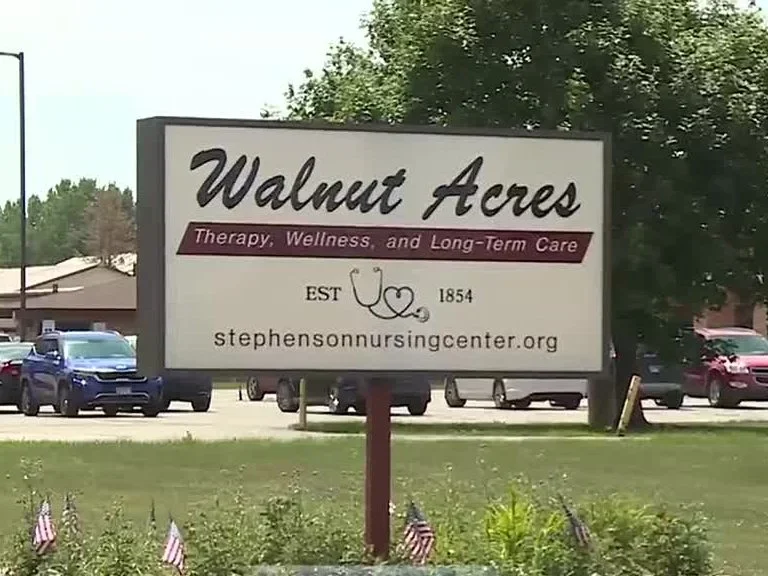
Is Walnut Acres Being Sold to Benefit Freeport’s Seniors—Or the Chesney Family?
The controversial sale of Walnut Acres is raising new questions across Stephenson County as residents and critics scrutinize the political connections, private development interests, and financial motivations surrounding the deal. What officials describe as a necessary move to stabilize a struggling nursing home is, for some, beginning to look like part of a much larger battle over power, influence, senior care, and the future direction of Freeport and Stephenson County itself.
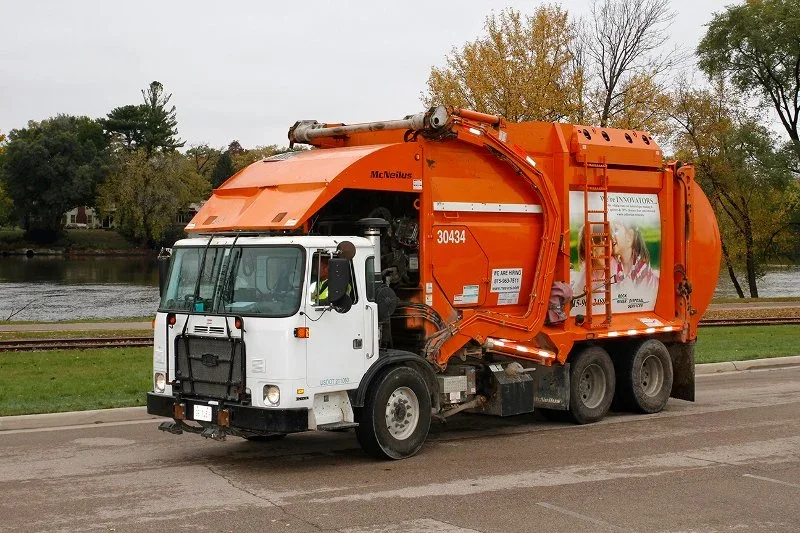
City Council Approves Garbage Rate Reductions Through 2028
The Freeport City Council has approved revised garbage collection rates through 2028, lowering previously planned increases after officials cited strong reserve balances in the city’s Health and Environment Fund. While the move could eventually reduce future costs for residents, questions are already emerging about why utility overcollections occurred in the first place — and whether the timing is connected to rumors of future tax increases elsewhere.

Commuted Doesn’t Mean Innocent: The Truth Behind Sentence Reductions and Misleading Narratives
As more formerly incarcerated individuals with commuted sentences step into public advocacy, youth outreach, and criminal justice reform work, growing concerns are emerging about how clemency is being portrayed to the public. While sentence commutations offer mercy and second chances, legal experts stress they do not erase convictions or establish innocence — a distinction critics say is increasingly being blurred in schools, community programs, and public discourse.
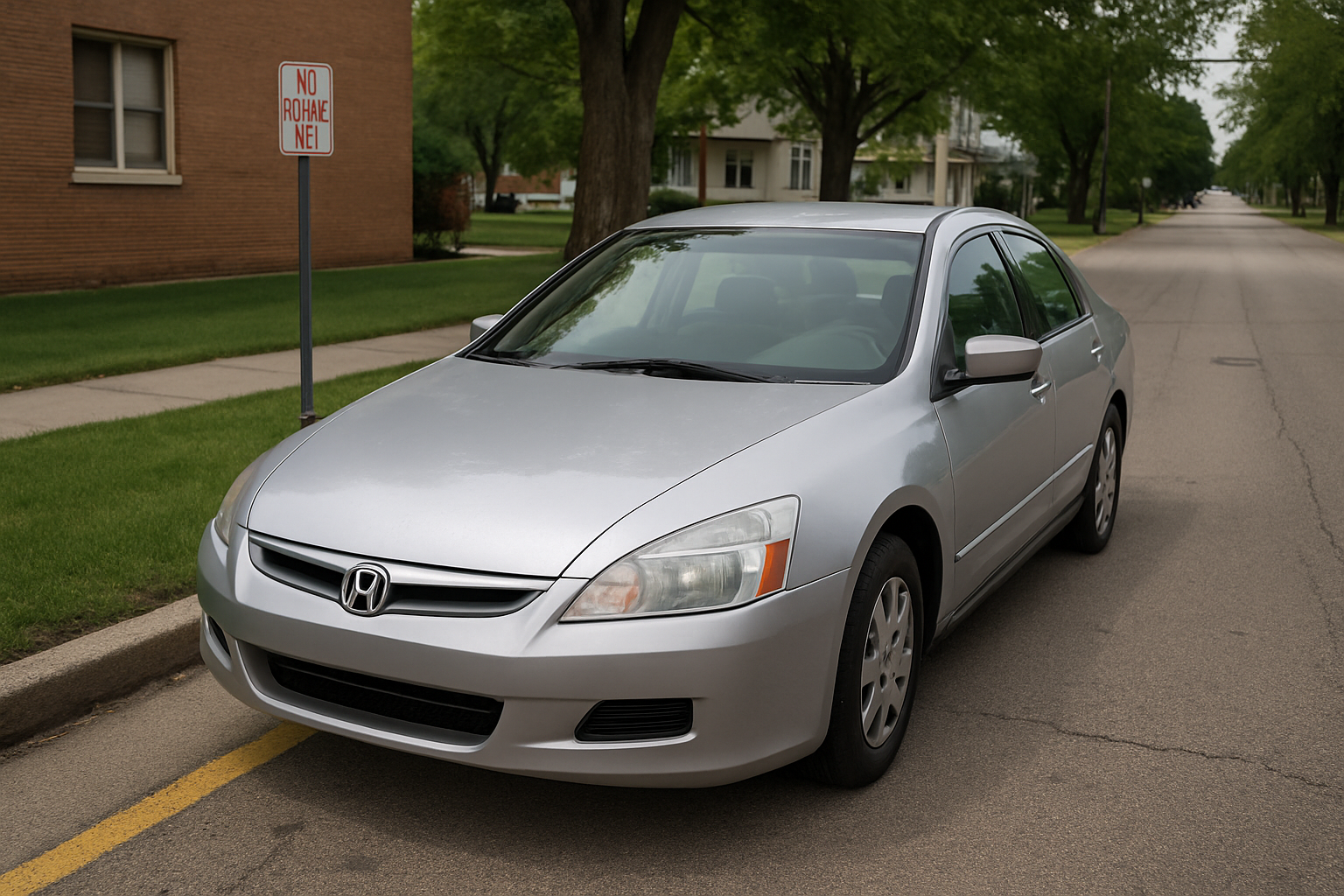
Understanding Freeport’s Chapter 422 Ordinance: What It Means for Residents and Drivers
Freeport’s Chapter 422 traffic ordinance lays out the rules governing everything from citations and accident reports to driver accountability and enforcement authority. While many provisions promote public safety and due process, critics argue portions of the ordinance place too much burden on vehicle owners, lack clear appeal mechanisms, and fail to reflect modern standards for transparency, technology, and equitable enforcement.
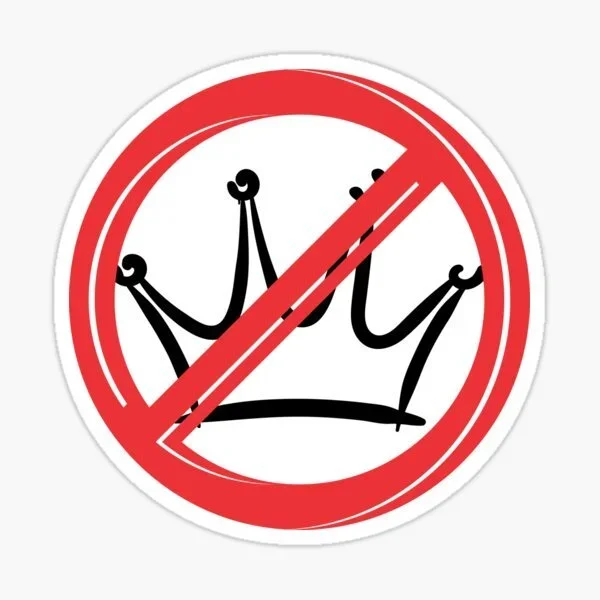
CALLING ALL 'NO KINGS' PROTESTERS: Don't throw out those signs!
Just days after hundreds marched through Freeport during the “No Kings” protest condemning authoritarianism and abuses of power, critics are asking whether those same concerns now apply to City Hall itself. As the Freeport City Council prepares to vote on controversial changes to its governing rules, opponents warn Ordinance 2025-37 could dramatically restrict dissent, consolidate power within the city’s leadership, and reshape how public debate is allowed to occur in local government.
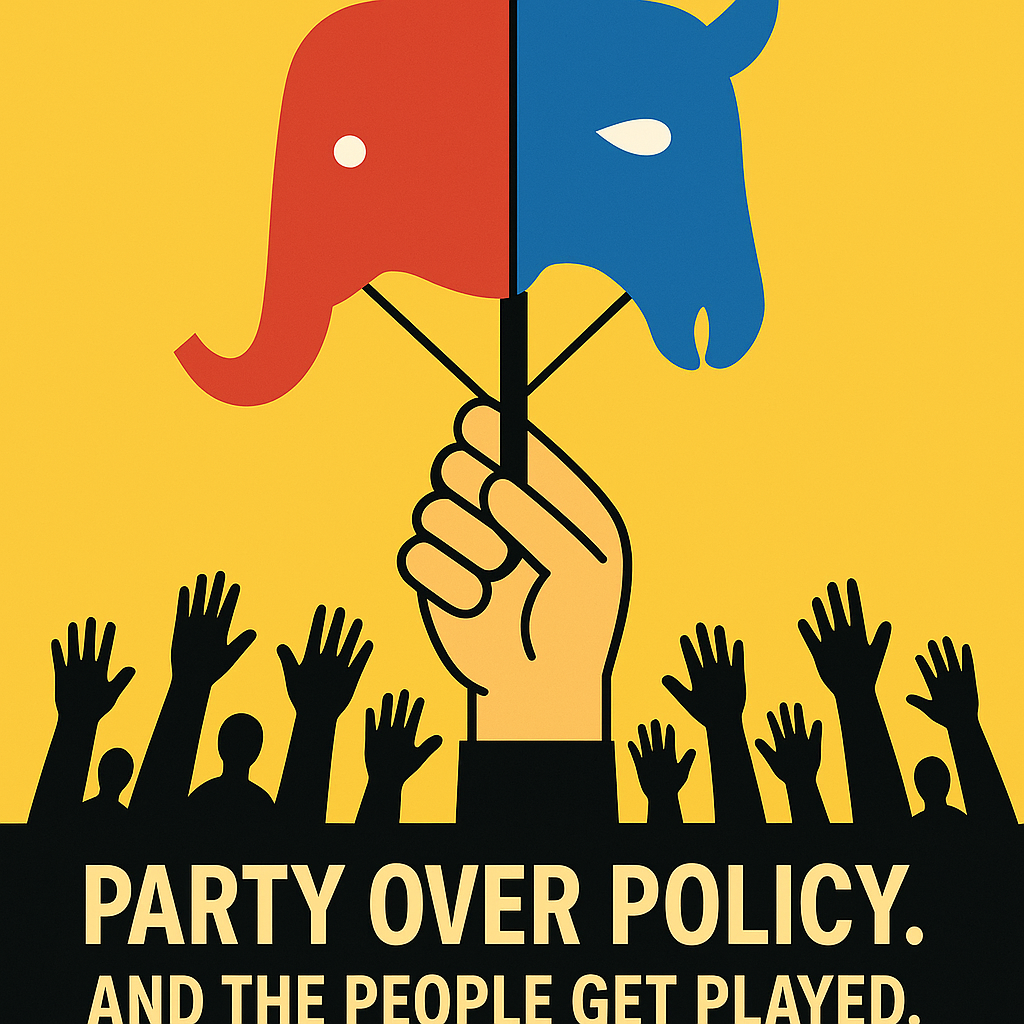
Party Over Policy: How Stephenson County's Political Machines Sold Out the Public
As frustration grows across Stephenson County, critics argue the region’s political divide has become less about solving problems and more about preserving party power. With rising concerns over public safety, taxes, infrastructure, and local accountability, some residents are beginning to question whether the Republican and Democratic establishments are more focused on protecting their political machines than addressing the issues facing the communities they claim to represent.
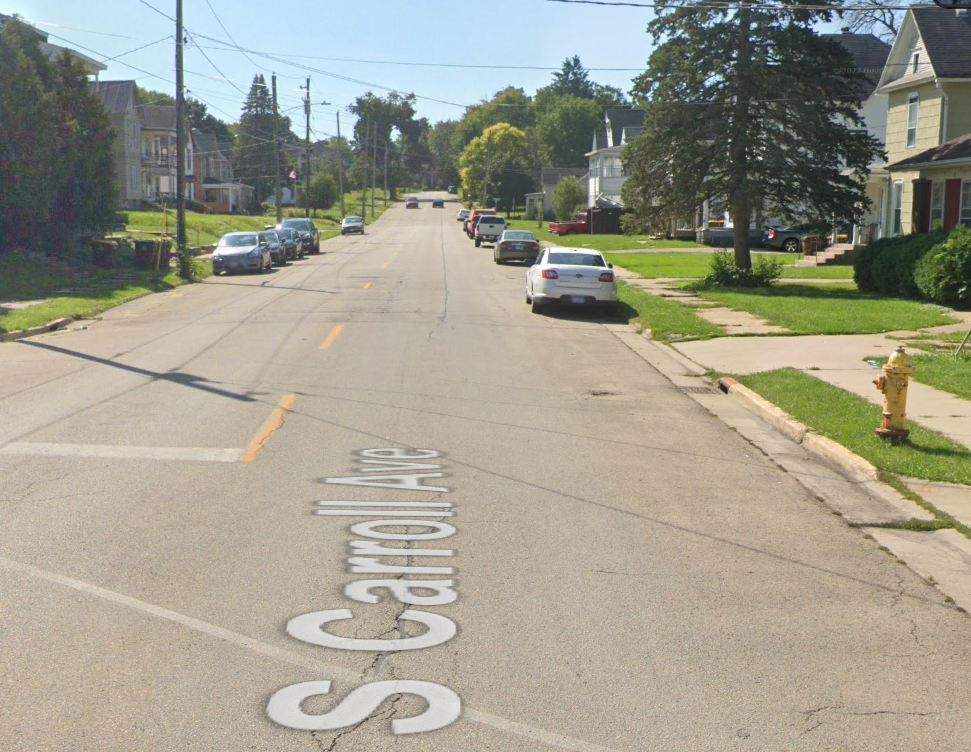
Freeport Finally Begins 2025 Street Program — But Where’s the Rest?
After months of delays and mounting criticism, the City of Freeport has finally announced the start of its 2025 Street Program. But instead of easing concerns, the limited rollout has intensified questions about missing tax dollars, scaled-back project plans, and whether residents were misled about how the city’s controversial 1% sales tax increase would actually be used.
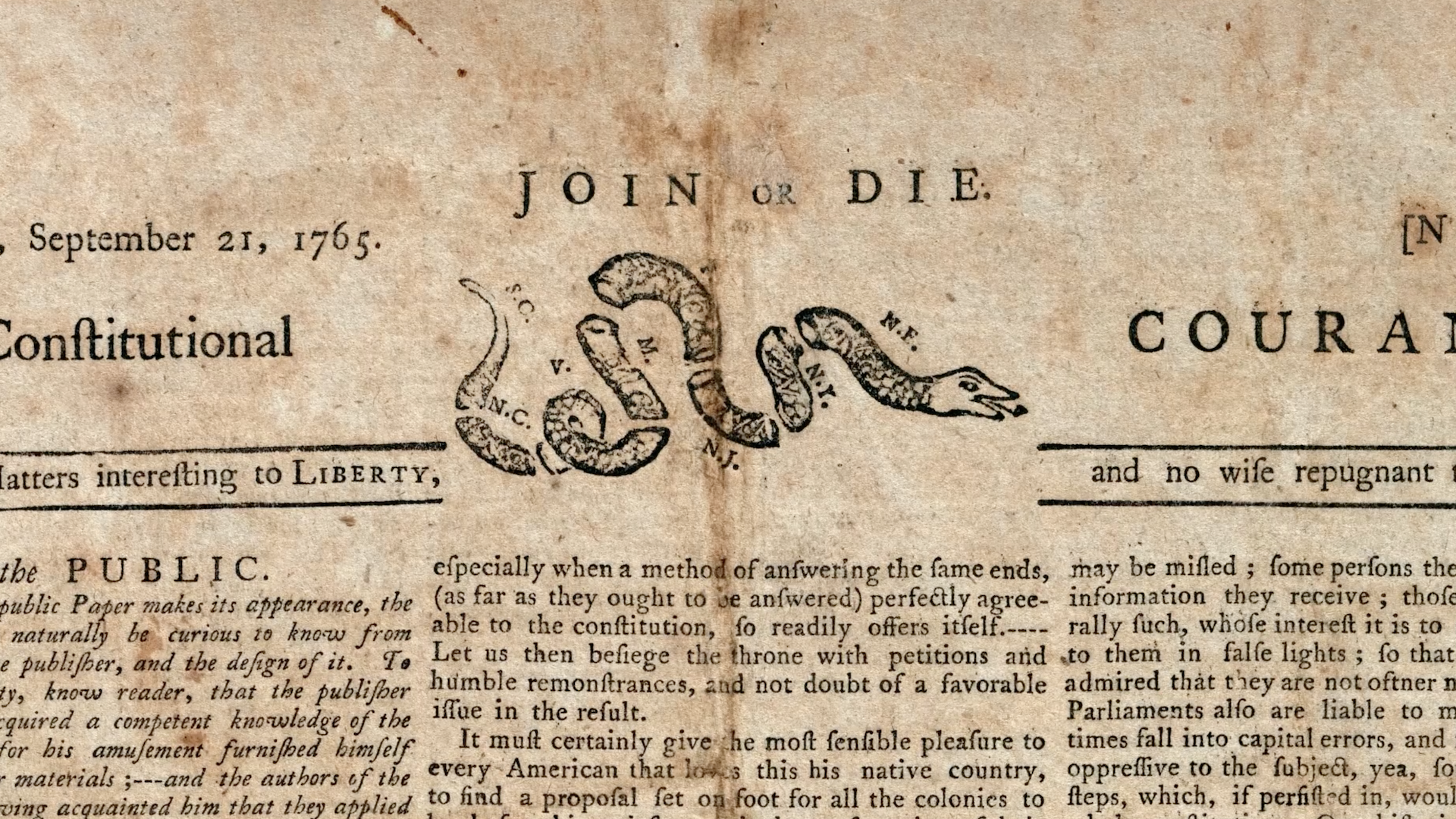
DRAWING DISSENT: The History, Purpose, and Power of Political Cartoons
From Benjamin Franklin’s “Join, or Die” to today’s viral digital satire, political cartoons have long shaped public opinion, challenged corruption, and exposed those in power through humor and sharp visual critique. In an era of shrinking trust in institutions and growing political division, the centuries-old art form remains one of the most enduring and influential tools of protest, accountability, and free expression.