

Freeport’s Department of Community & Economic Development: Building a Better Future?
Freeport’s Community & Economic Development Department touches everything from neighborhood redevelopment and code enforcement to zoning, business growth, and environmental issues. With Gertrude Heimerdinger taking over as director, Fighting4Freeport examines the department’s responsibilities and the expectations facing its new leadership.
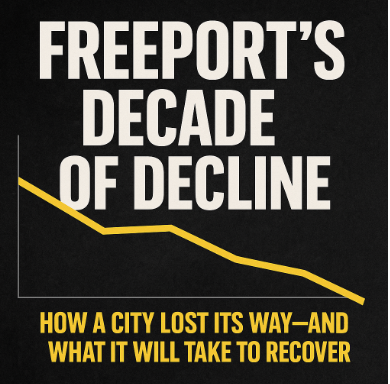
Freeport’s Decade of Decline: How a City Lost Its Way—and What It Will Take to Recover
Freeport lost roughly 1,500 residents over a decade while questions grew about economic development, public accountability, and measurable results from City Hall. Fighting4Freeport examines the city’s decline, the absence of formal City Manager performance reviews, and what could be required to reverse course.

The County Board No One Talks About: Stephenson County’s Forgotten Election and the Silence of Both Parties
The Stephenson County Board controls major decisions involving taxpayer dollars, contracts, and county priorities—yet its elections receive remarkably little attention. Fighting4Freeport examines the silence surrounding County Board races, the priorities of both local political parties, and the questions voters should be asking before the March 2026 primary.

Chicago Chesney & Who’s Trying to Buy Power in Northwest Illinois?
Campaign finance takes center stage in the Republican primary for Illinois Senate District 45. Fighting4Freeport examined Andrew Chesney’s Q3 fundraising, contributors and expenditures alongside challenger Joshua T. Atkinson’s campaign finances and competing approach to funding a campaign.

Déjà Vu in City Hall: Another Big Payout to Fehr Graham
Freeport approved another $146,750 contract with Fehr Graham for construction engineering services tied to lift station improvements. Fighting4Freeport examined what taxpayers were buying, the city’s growing reliance on outsourced engineering, and the broader debate over bringing Public Works leadership back in-house.
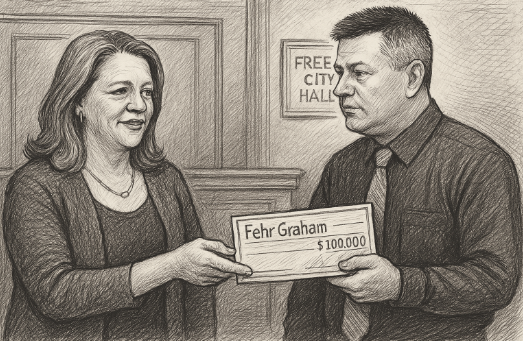
Another $100,000 for Fehr Graham: City Leadership’s Costly Dependency Continues
Freeport approved another $100,000 for Fehr Graham after funding under its 2025 Public Works Master Services Contract was depleted. Fighting4Freeport examined the council debate, why the original funding fell short, the city’s reliance on outsourced engineering, and questions about the long-term cost of that relationship.
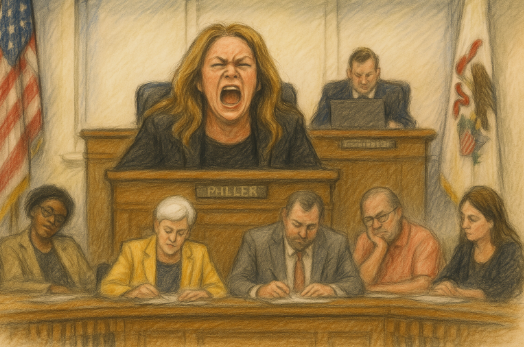
Mayor Miller’s Meltdown Exposes Her Quest for Unchecked Power
After Mayor Jodi Miller opened the October 6, 2025 City Council meeting by publicly addressing alderpersons over council conduct, Fighting4Freeport examines the confrontation, the expansion of City Manager authority, and two controversial ordinances that fueled a larger debate over power, representation, and accountability at Freeport City Hall.
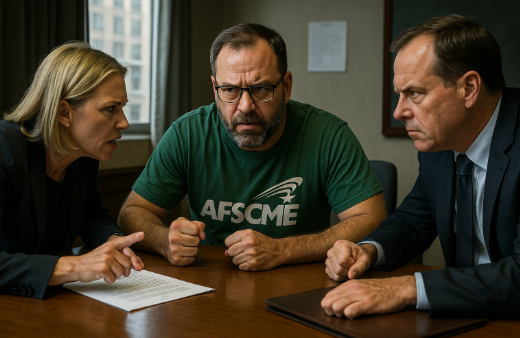
City Workers Settle While City Hall Rewards Itself
Freeport’s City Council prepared to ratify a long-delayed AFSCME Local 3367 contract after months of negotiations. Fighting4Freeport examined the agreement alongside raises for city leadership, Fehr Graham spending, the 1% sales tax, and allegations from workers about conditions inside City Hall.
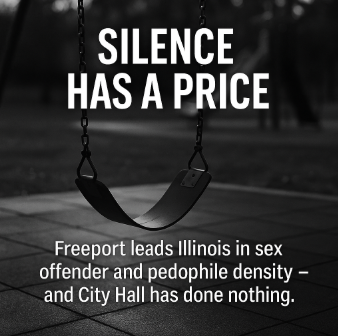
Freeport’s Sex Offender and Pedophile Crisis: How a City of 24,000 Became One of Illinois’ Most Concentrated Hotspots
Freeport had 108 registered sex offenders—approximately one for every 221 residents—when Fighting4Freeport examined the issue in October 2025. We looked at the numbers, Illinois residency restrictions, concerns about offender concentration, and what local and state leaders could do in response.

Balancing Illinois’ Checkbook:What’s at Stake in the 2026 Comptroller Election
What does the Illinois Comptroller actually do? With Susana Mendoza not seeking reelection, Illinois voters will choose a new fiscal watchdog in 2026. Here’s what the office controls, why it matters to taxpayers, and a look at the developing race to replace her.
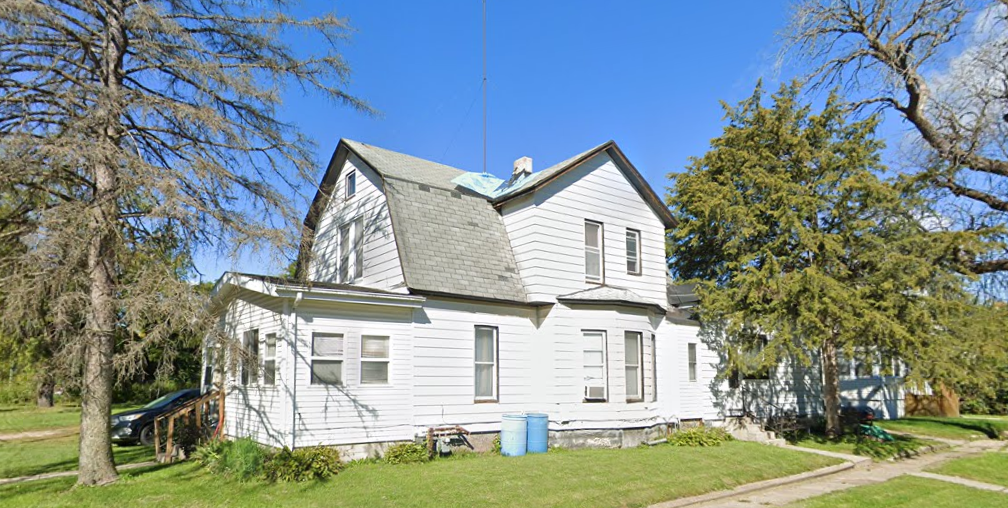
More Demolition Bids Amid Rising Environmental and Ethics Concerns
Freeport prepared to award another round of demolition contracts as asbestos findings, environmental concerns, contractor oversight, and questions about the city’s bidding process placed increased scrutiny on its neighborhood blight reduction program.